
BlogFind out the latest news about Ketian and our industry
2026-03-04
Banking and financial services
Public security and identification
Transportation systems
Telecommunications
Healthcare
Government and social services
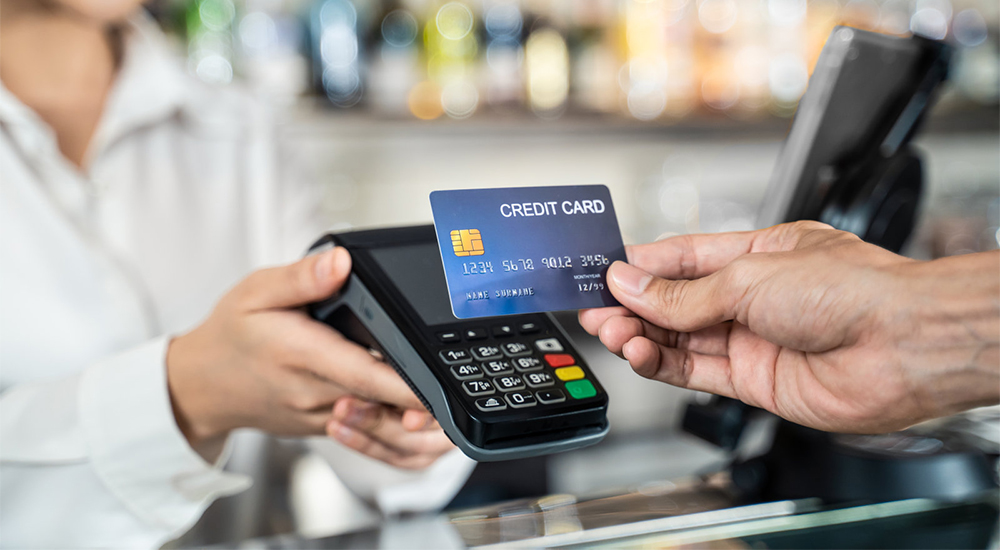
What Are Smart Card Base Materials?
The plastic sheets used to manufacture smart cards are known as smart card base materials or IC card substrate materials. These materials serve as the physical carrier of electronic components and printed information.
Common smart card materials include:
ABS (Acrylonitrile Butadiene Styrene)
PET (Polyethylene Terephthalate)
Among them, PVC card material remains the most widely used smart card substrate due to its balanced performance and cost advantages.
In recent years, with the advancement of smart card technologies and environmental requirements, Ketian has developed several eco-friendly, high-temperature resistant, and long-life smart card materials, including PETG, PC, and PC/PBT composite materials. Each material has unique characteristics and should be selected based on specific card application requirements.
This article focuses on the key properties of PVC card material, the most common smart card base material used worldwide.
PVC Card Material for Smart Cards
PVC (Polyvinyl Chloride) is a multi-component plastic material. Depending on formulation differences, PVC can vary significantly in appearance and performance:
Transparent or opaque
Flexible and fold-resistant
Rigid with strong mechanical properties
Most PVC materials contain stabilizers and additives to enhance durability and processing performance. Special food-grade PVC formulations also exist for regulated applications.
Rigid PVC vs Soft PVC
PVC materials are generally classified into rigid PVC and soft PVC.
Rigid PVC
Rigid PVC offers:
High surface hardness
Good tensile strength
Strong rigidity similar to engineering plastics
However, rigid PVC becomes brittle at low temperatures and is sensitive to deformation stress.
Soft PVC
Soft PVC is more flexible but:
Becomes hard in low temperatures
Has lower thermal stability
May degrade under prolonged heat exposure
For smart card manufacturing, specially engineered card-grade PVC is used to balance flexibility, printability, and lamination strength.
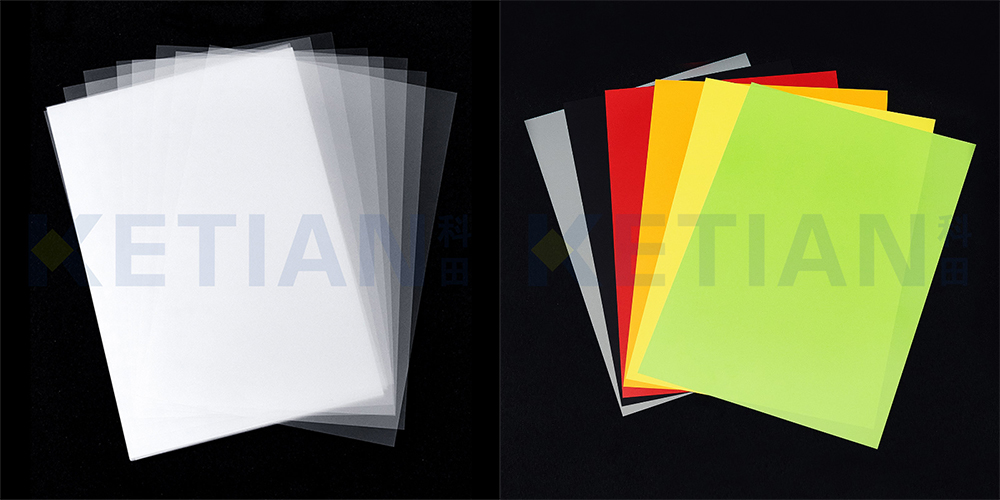
Why PVC Card Material Is Still Widely Used
Although new smart card materials are emerging, PVC card material still holds a large global market share because:
Low production cost
Excellent printing performance
Good hot lamination compatibility
Easy processing without complex surface treatment
PVC is particularly suitable for smart cards requiring:
Magnetic stripe application
Signature panels
Embossing
Holographic security overlays
These features make PVC an ideal smart card substrate material for banking cards, telecom SIM cards, access control cards, and government ID cards.
PVC Composite Materials for Improved Performance
With advancements in plastic engineering, several PVC composite materials have been developed to enhance traditional PVC performance, such as:
PVC/ABS
PVC/PET
PVC/PE
These blends improve strength, temperature resistance, and durability while maintaining good processability.
Material Selection Standards for Smart Cards
The smart card industry integrates multiple high-tech disciplines, including:
Radio frequency technology
Polymer materials science
Adhesives
Security printing
Anti-counterfeiting technologies
Any advancement in these fields drives progress in card manufacturing.
When selecting smart card base materials, manufacturers must consider:
Material availability
Cost-performance ratio
Card function requirements
End-use application environment
Before finalizing a material, standardized physical and chemical tests are recommended. Testing standards include:
ISO 7810
ISO 7816
GB/T 17553
GB/T 17554
These standards define mechanical strength, dimensional stability, surface quality, and durability requirements for smart card materials.
Future Development of Smart Card Materials
As smart cards become more advanced and multifunctional, the demand for higher-performance substrate materials continues to grow. Smart card base materials must now support:
Contact and contactless chips
Laser engraving
Enhanced security layers
Longer service life
Ketian remains committed to investing in advanced smart card material technologies, especially in the development of high-performance and environmentally friendly composite card materials, to meet the evolving needs of global customers.
Looking for Reliable Smart Card Base Material Solutions?
Ketian provides professional PVC card material and advanced smart card substrate solutions for banking, telecom, government ID, and secure card manufacturers worldwide.
Contact Ketian to learn more about our smart card material technologies.




 CN
CN
 Follow Us
 86-13823778249
  E-mail


